
Understanding the Importance of an Emergency Fund
What is an Emergency Fund?
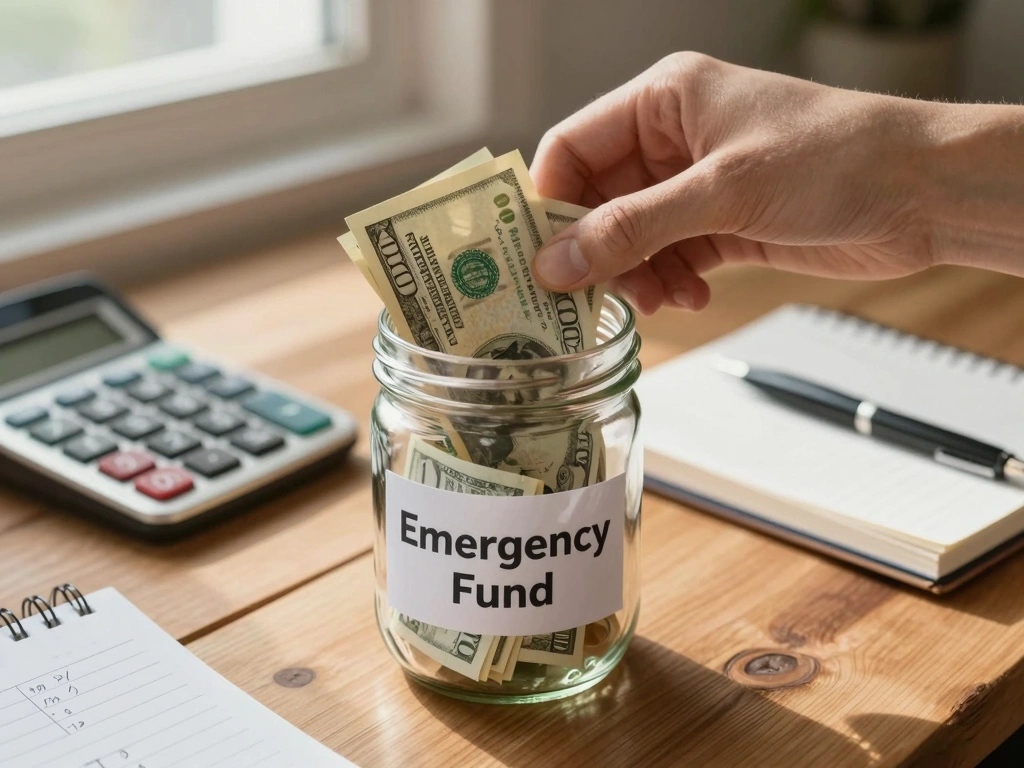
An emergency fund is a dedicated savings account that is reserved for unexpected financial emergencies, such as medical expenses, car repairs, or job loss. It acts as a financial buffer to help cover unforeseen costs without the need to rely on credit cards or loans, which can lead to debt accumulation. Ideally, an emergency fund should be easily accessible, allowing you to withdraw funds quickly when necessary.
Why Everyone Needs an Emergency Fund
Having an emergency fund is crucial for financial stability and peace of mind. Here are a few reasons why everyone should prioritize building one:
- Protection Against Unexpected Expenses: Life is full of surprises, and an unexpected expense can disrupt your financial stability. An emergency fund helps you manage these costs without derailing your budget.
- Prevents Debt Accumulation: When faced with an emergency, many people resort to credit cards or loans. An emergency fund allows you to handle expenses without incurring debt, which can lead to high-interest payments and financial stress.
- Increases Financial Security: Knowing that you have a financial cushion can significantly reduce stress and anxiety related to money. This security can also empower you to make better financial decisions.
Common Misconceptions About Emergency Funds
Despite their importance, there are several misconceptions about emergency funds that can prevent individuals from starting one:
- Myth 1: I don’t need an emergency fund until I have a lot of savings. Truth: Everyone can benefit from an emergency fund, regardless of their income level or savings amount.
- Myth 2: An emergency fund is only for unexpected medical expenses. Truth: Emergency funds can be used for a variety of unforeseen issues, including car repairs, job loss, or urgent home repairs.
- Myth 3: I’ll never need an emergency fund if I have insurance. Truth: Insurance doesn’t cover all expenses, and having an emergency fund can bridge the gap in scenarios where you need immediate cash.
Assessing Your Financial Situation
Calculating Your Monthly Expenses
The first step in building an emergency fund from scratch is to have a clear understanding of your financial situation, starting with your monthly expenses. Begin by tracking all your expenses for at least a month. Here are some categories to consider:
- Rent or mortgage payments
- Utilities (electricity, water, gas)
- Groceries
- Transportation (car payments, fuel, public transport)
- Insurance (health, vehicle, home)
- Debt payments (credit cards, loans)
- Miscellaneous expenses (entertainment, subscriptions)
Once you have a comprehensive list, tally up your total monthly expenses. This figure will help you understand how much you need to save to cover three to six months of living expenses, which is a common recommendation for an emergency fund.
Identifying Income Sources
Next, assess your income sources. List all forms of income you receive, including:
- Salary or wages
- Side hustles or freelance work
- Investment income
- Rental income
This step will give you a clearer picture of how much money you have coming in each month, which will help you determine how much you can set aside for your emergency fund.
Determining Your Emergency Fund Goal
With your monthly expenses and income sources in mind, determine your emergency fund goal. A common rule is to aim for three to six months’ worth of living expenses. For example, if your total monthly expenses are $3,000, your emergency fund goal should be between $9,000 and $18,000. It’s essential to set a realistic goal that aligns with your financial situation.
Creating a Savings Plan
Setting a Monthly Savings Target
To build your emergency fund effectively, set a monthly savings target based on your goal and your current financial situation. If your goal is $12,000 and you aim to reach it in two years, you will need to save:
Monthly Savings Target = Total Goal / Number of Months
In this case: $12,000 / 24 months = $500 per month.
Adjust your target as necessary based on your income and expenses, ensuring it is achievable.
Choosing a Savings Account for Your Fund
Selecting the right savings account is crucial for your emergency fund. Consider these options:
- High-Yield Savings Account: These accounts offer higher interest rates than traditional savings accounts, helping your money grow while remaining easily accessible.
- Money Market Account: Money market accounts typically offer competitive interest rates and allow you to write checks or use a debit card, providing flexibility in accessing your funds.
- Online Savings Account: Many online banks offer attractive interest rates and low fees, making them ideal for emergency funds.
When choosing an account, look for features such as low or no fees, easy access to funds, and a reputable financial institution.
Automating Your Savings Process
Automating your savings is an effective way to ensure you stick to your savings plan. Set up automatic transfers from your checking account to your emergency fund account each month. For example, if you’ve determined you need to save $500 monthly, set up a recurring transfer to occur shortly after you receive your paycheck. This way, saving becomes a seamless part of your financial routine.
Strategies to Boost Your Savings
Cutting Unnecessary Expenses
To accelerate your emergency fund savings, identify and cut unnecessary expenses. Here are some strategies:
- Review Subscriptions: Cancel subscriptions or memberships that you don’t use regularly, such as gym memberships or streaming services.
- Cook at Home: Reducing dining out can save significant money. Meal prep and cooking at home can lower your monthly grocery bill.
- Shop Smart: Use coupons, buy in bulk, and take advantage of sales to reduce your grocery and household expenses.
By reallocating these savings toward your emergency fund, you can reach your goal faster.
Finding Additional Income Streams
Consider finding additional income streams to boost your savings. Here are some ideas to explore:
- Freelancing: Utilize your skills in writing, graphic design, or programming to take on freelance projects.
- Part-Time Job: Look for part-time job opportunities that fit your schedule, such as retail or food service.
- Sell Unused Items: Declutter your home and sell items you no longer need on platforms like eBay or Facebook Marketplace.
Any extra income you generate can be directed straight into your emergency fund.
Utilizing Windfalls Wisely
Occasionally, you may receive a windfall, such as a tax refund, bonus, or inheritance. Instead of spending this unexpected money, consider allocating a significant portion, if not all, towards your emergency fund. For example, if you receive a $2,000 tax refund, depositing the entire amount can substantially increase your savings and bring you closer to your goal.
Maintaining and Adjusting Your Emergency Fund
Regularly Reviewing Your Fund's Size
Once your emergency fund is established, it’s essential to review its size periodically. Financial situations can change, so reassessing your fund every six months or annually is a good practice. Consider whether your expenses have increased due to a new job, moving to a new location, or any other changes in your lifestyle that may require a larger safety net.
When to Adjust Your Savings Goals
If your financial situation changes, such as an increase in income or significant life changes like marriage or starting a family, it may be necessary to adjust your emergency fund savings goal. For instance, if your total monthly expenses increase from $3,000 to $4,000, your emergency fund goal should increase from $9,000 - $18,000 to $12,000 - $24,000.
How to Replenish Your Fund After Use
If you use your emergency fund to cover expenses, it’s crucial to prioritize replenishing it. Assess your budget to identify areas where you can temporarily increase your monthly savings until you reach your original goal. For example, if you had to use $1,500 from your fund, consider adding an extra $150 to your monthly savings for the next ten months to restore it.
In conclusion, building an emergency fund from scratch is an achievable goal that can provide significant financial security. By understanding its importance, assessing your financial situation, creating a savings plan, and employing strategies to boost your savings, you can establish a robust safety net. Regularly maintaining and adjusting your fund ensures that it continues to meet your needs as your life changes. Start today, and pave the way to a more secure financial future.